Importer Obligations
What are Importer Obligations?
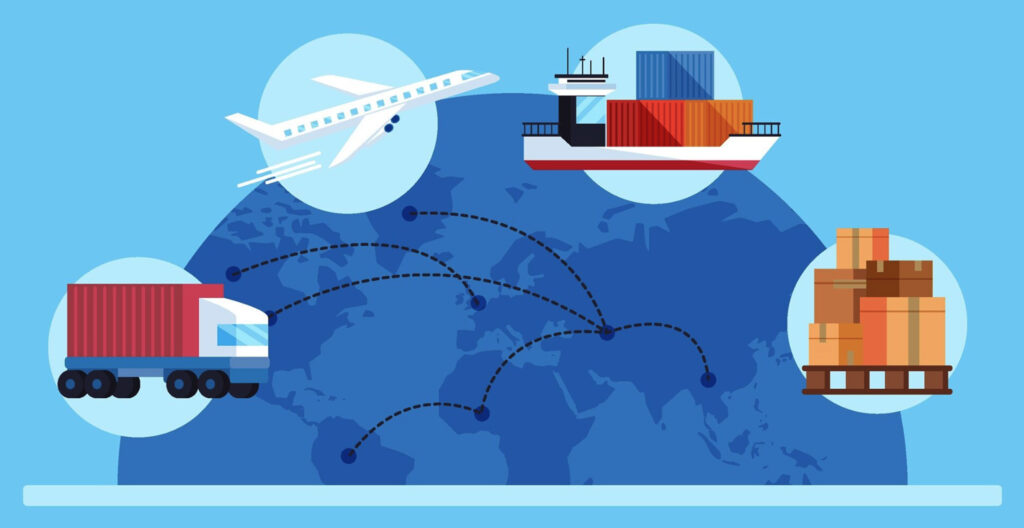
An importer, in the context of EU product regulation, is any natural or legal person established within the European Union who places a product from a third country onto the EU market. Importers occupy a distinct and significant role in the EU supply chain — they are the first EU-established link in the chain for products manufactured outside the EU and carry specific legal obligations under applicable EU product legislation to ensure those products are safe and compliant before they reach consumers.
Why It Matters
Importers are not passive intermediaries. EU product regulations place active obligations on importers to verify that non-EU manufacturers have met their compliance requirements before a product is placed on the market. Where a manufacturer is based outside the EU and is unreachable or uncooperative, competent authorities may look to the importer as the responsible EU-established party.
For businesses importing products from outside the EU, whether for resale, distribution, or online sales, understanding importer obligations is essential to ensure compliance and avoid potential risks. Failure to meet these obligations can result in enforcement action, product withdrawal, and liability for non-compliant products placed on the EU market.
For ecommerce sellers, wholesalers, and distributors sourcing products from outside the EU, correctly identifying and fulfilling importer obligations is a fundamental part of operating lawfully on the EU market.
Key Requirements
Who Is Considered an Importer?
A business or individual is considered an importer when they:
- Are established within the EU, and
- Place a product originating from a third country onto the EU market for the first time
This role is recognised across multiple regulatory frameworks, including:
- Regulation (EU) 2023/988 — General Product Safety Regulation (GPSR)
- Regulation (EU) 2017/745 — Medical Device Regulation (EU MDR)
- Regulation (EC) No 1223/2009 — EU Cosmetics Regulation
- Other EU directives and regulations governing regulated product categories
Responsibilities of an Importer
While specific obligations vary by regulation and product category, importer responsibilities commonly include:
- Verifying that the non-EU manufacturer has fulfilled their applicable compliance obligations before placing the product on the market
- Ensuring the product bears the required conformity marking and is accompanied by the required documentation
- Checking that the manufacturer’s name, address, and contact details are displayed on the product or its packaging
- Ensuring an EU Authorised Representative or Responsible Person has been appointed where required
- Keeping a copy of relevant compliance documentation and making it available to competent authorities upon request
- Taking corrective action, including withdrawal or recall, if a product is found to be non-compliant or unsafe
- Cooperating fully with market surveillance authorities during inspections and investigations
Importer vs. Authorised Representative
These are distinct roles under EU product legislation. An importer places products from third countries onto the EU market and carries supply chain obligations specific to that role. An Authorised Representative is formally appointed by a non-EU manufacturer to act on their behalf for specific regulatory compliance obligations, regardless of whether goods are physically imported.
In some cases the same entity may act as both importer and Authorised Representative, but this must be formally agreed and each set of obligations must be met independently.
Need compliance support for the EU and UK?
Euverify provides EU Authorised Representative, Responsible Person, and GDPR Article 27 Representative services for businesses placing products on the EU and UK markets. Our team supports regulatory communication, documentation, and ongoing compliance management across multiple frameworks.
Related Terms

Further Reading