Distributor Obligations
What are Distributor Obligations?
A distributor, in the context of EU product regulation, is any natural or legal person in the supply chain who makes a product available on the EU market, other than the manufacturer or importer. Distributors play an important role in ensuring that non-compliant or unsafe products do not reach consumers, and EU product legislation places specific obligations on distributors to verify compliance before making products available and to act promptly where safety concerns arise.
Why It Matters
Distributors are not simply passive conduits in the supply chain. EU product regulations require distributors to carry out due diligence checks before making a product available on the market and to take active steps where they have reason to believe a product is non-compliant or unsafe. Where a product causes harm or is found to be non-compliant, competent authorities may investigate all parties in the supply chain, including distributors.
For wholesalers, retailers, and online sellers making products available to EU consumers, understanding distributor obligations is essential. Failing to meet these obligations can result in enforcement action, product withdrawal, and reputational consequences, even where the distributor did not manufacture or import the product themselves.
For businesses operating at any stage of the supply chain below the manufacturer and importer, correctly identifying and fulfilling distributor obligations is a fundamental part of lawful market participation in the EU.
Key Requirements
Who Is Considered a Distributor?
A business or individual is considered a distributor when they:
- Make a product available on the EU market, and
- Are not the manufacturer or importer of that product
This role is recognised across multiple regulatory frameworks, including:
- Regulation (EU) 2023/988 — General Product Safety Regulation (GPSR)
- Regulation (EU) 2017/745 — Medical Device Regulation (EU MDR)
- Regulation (EC) No 1223/2009 — EU Cosmetics Regulation
- Other EU directives and regulations governing regulated product categories
Responsibilities of a Distributor
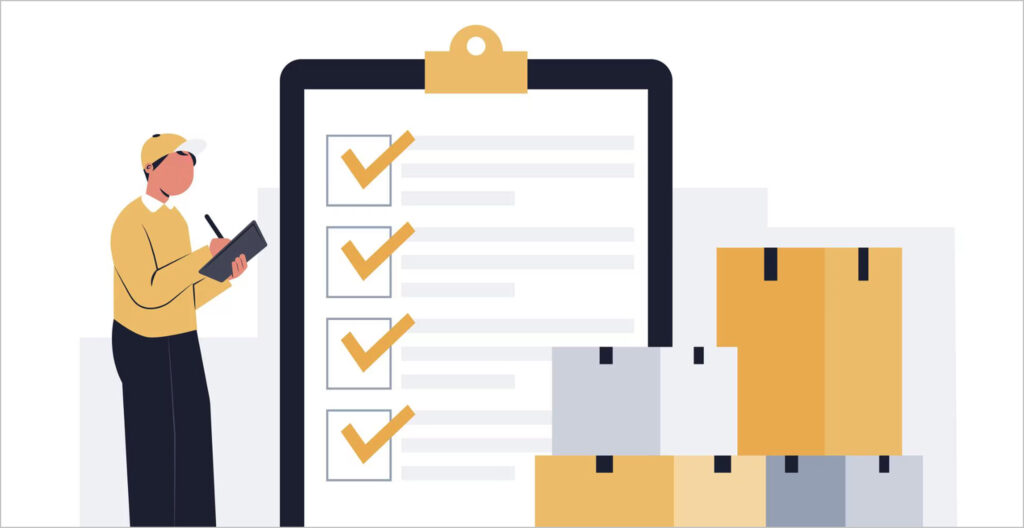
While specific obligations vary by regulation and product category, distributor responsibilities commonly include:
- Verifying that the product bears the required conformity marking and labelling before making it available on the market
- Checking that the manufacturer’s and, where applicable, the importer’s name and contact details are correctly displayed on the product or packaging
- Refraining from making a product available where there is reason to believe it does not comply with applicable requirements
- Cooperating with market surveillance authorities during inspections and investigations
- Informing the manufacturer, importer, and competent authorities if a product is found to present a safety risk
- Assisting with corrective actions including product withdrawals and recalls where required
- Maintaining records that allow the identification of the manufacturer, importer, and other supply chain parties for a specified period
Distributor vs. Importer
These are distinct roles under EU product legislation. An importer is the first EU-established party to place a product from a third country onto the EU market and carries more extensive compliance verification obligations. A distributor makes a product available further down the supply chain and carries a somewhat narrower but still significant set of obligations.
In some cases a business may act as both an importer and a distributor for different products or in different transactions, and should ensure the correct obligations are met for each role.
Need compliance support for the EU and UK?
Euverify provides EU Authorised Representative, Responsible Person, and GDPR Article 27 Representative services for businesses placing products on the EU and UK markets. Our team supports regulatory communication, documentation, and ongoing compliance management across multiple frameworks.
Related Terms

Further Reading