
CE Marking
What is CE Marking?
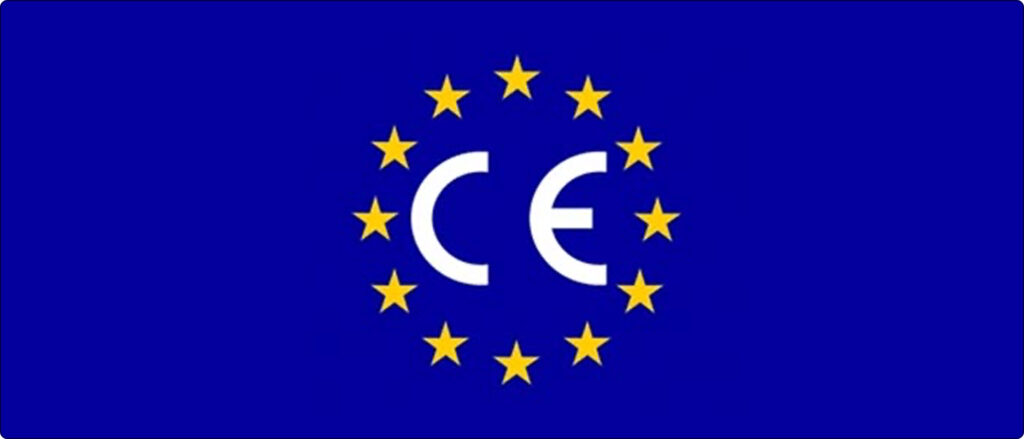
CE marking is a mandatory conformity marking that indicates a product meets the applicable EU health, safety, and environmental protection requirements and can be lawfully placed on the European market. The letters “CE” stand for Conformité Européenne — French for European Conformity. By affixing the CE mark, a manufacturer declares that their product complies with all relevant EU legislation and has undergone the required conformity assessment procedures.
Why It Matters
The CE mark is the passport to the EU market for a wide range of regulated products. Without it, products falling within the scope of CE marking legislation cannot lawfully be placed on the EU market or put into service. It signals to consumers, regulators, retailers, and distributors that a product has been assessed against EU requirements and meets the necessary standards.
For non-EU manufacturers, CE marking also brings with it the requirement to appoint an EU Authorised Representative — an EU-established entity who can act on the manufacturer’s behalf for regulatory compliance obligations. Without both a valid CE mark and a designated Authorised Representative where required, market access in the EU cannot be achieved.
For manufacturers, importers, and distributors across a broad range of product categories, understanding CE marking requirements is fundamental to lawful EU market access.
Key Requirements
Which Products Require CE Marking?
TCE marking is required for products falling within the scope of specific EU legislation, including but not limited to:
- Medical devices and in vitro diagnostics
- Electrical and electronic equipment
- Machinery and industrial equipment
- Personal protective equipment
- Toys and children’s products
- Construction products
This requirement applies across multiple EU directives and regulations covering regulated product categories. Not all products require CE marking, and manufacturers should confirm whether their specific product falls within the scope of applicable EU legislation before commencing the conformity assessment process.
Responsibilities Relating to Traceability
While specific obligations depend on the product category and applicable legislation, responsibilities commonly include:
- Identifying all applicable EU legislation and requirements for the product
- Completing the required conformity assessment procedure, including third-party involvement where mandatory
- Compiling and maintaining technical documentation demonstrating compliance
- Drawing up an EU Declaration of Conformity
- Affixing the CE mark to the product, packaging, or accompanying documentation in accordance with the applicable regulation
- Appointing an EU Authorised Representative if the manufacturer is established outside the EU
CE Marking and the EU Authorised Representative
For non-EU manufacturers, CE marking obligations are closely linked to the requirement to appoint an EU Authorised Representative. The Authorised Representative acts on behalf of the manufacturer for regulatory compliance obligations, including holding or providing access to technical documentation and acting as the point of contact for competent authorities across EU member states.
The Authorised Representative’s details must be displayed on the product or packaging alongside the manufacturer’s information, ensuring that a responsible EU-based contact is always identifiable.

Need GPSR compliance support?
Euverify provides EU Authorised Representative services for manufacturers and ecommerce sellers placing products on the EU market. Our team supports documentation review, regulatory communication, and ongoing compliance management.

Further Reading


