CE Marking Mistakes That Lead to Instant Product Withdrawals (EU & UK Compliance Guide)
A product can be selling successfully one day and ordered off the market the next. In the EU and UK, this often happens because of a single CE marking mistake.
CE marking is not a quality label or a marketing tool. It is a legal declaration that a product meets all applicable safety, health, and environmental requirements and that this compliance is supported by proper technical documentation.
Because of this, errors in CE marking carry serious consequences. Missing documentation, an incorrect Declaration of Conformity, or the wrong conformity assessment route can lead to products being withdrawn from sale, shipments stopped at the border, or enforcement action by authorities.
This article outlines the most common CE marking mistakes that trigger enforcement or product withdrawals and explains how businesses can avoid them before they become costly problems.
Why CE Marking Matters, and What It Represents
At its core, the CE mark shows that the manufacturer, or their authorised representative, has formally declared that a product complies with all relevant EU directives and regulations. This declaration allows the product to be placed on the market and circulated freely within the EU and the EEA. In many cases, and through transitional arrangements, the same requirements also apply to products placed on the UK market.
A wide range of products fall under CE marking requirements. These include, but are not limited to:
- Electronics and electrical equipment
- Toys
- Machinery
- Personal protective equipment (PPE)
- Radio and telecommunications equipment
That said, CE marking does not apply to every product category. Certain goods, such as cosmetics and food products, are governed by separate regulatory frameworks and follow different compliance rules.
It is also important to understand that CE marking is a legal requirement, not a voluntary certification or a sign of product quality. Using the CE mark incorrectly, for example by affixing it without completing the required conformity assessment procedures, can trigger enforcement action. In serious cases, this may result in products being removed from the market and penalties being imposed on manufacturers, importers, or other economic operators.
Mandatory Documentation: The Foundation of CE Compliance

One of the core requirements of CE marking is the preparation and ongoing maintenance of technical documentation, often referred to as the technical file. This documentation serves as evidence that the product complies with the essential health and safety requirements set out in the applicable EU legislation.
Official guidance makes it clear that a technical file normally contains a range of supporting information, including:
- Product identification details, such as type, model, and serial or batch number
- A description of the product’s design and manufacturing processes
- Risk assessment information and details of how identified risks have been addressed
- Test reports and results from any required conformity assessments
- A list of the harmonised standards applied
- Instructions for safe use, along with relevant labelling information
- A copy of the EU Declaration of Conformity
This documentation must be made available to market surveillance authorities upon request and retained for a defined period, which is often up to ten years after the product is placed on the market. If a business cannot produce this documentation when asked, regulators may take immediate enforcement action, including withdrawing the product from the market.
Common CE Marking Mistakes That Trigger Withdrawals

Below are the most common compliance failures that lead regulators to withdraw products from the market, sometimes even before they reach end users.
Incomplete or Missing Technical Documentation
One of the most frequent causes of CE non-compliance is inadequate technical documentation. Market surveillance findings consistently show that documentation gaps account for a significant number of failures. These issues often include missing product descriptions, lack of evidence showing the use of harmonised standards, or incomplete risk assessments.
When authorities are unable to verify that a product has been properly tested and assessed, they are likely to issue a withdrawal order under national product safety legislation.
Faulty Declaration of Conformity (DoC)
The Declaration of Conformity is a legally binding document in which the manufacturer or authorised representative formally declares that the product complies with all applicable EU legislation. To be valid, it must contain accurate and complete information, including product identification details, the name and address of the responsible party, the relevant directives or regulations, and the harmonised standards applied.
Common errors found in Declarations of Conformity include:
- Incorrect or incomplete listing of applicable directives
- Missing details of the authorised representative
- Absence of a signature or date
- References to outdated harmonised standards
If the Declaration of Conformity is incorrect or incomplete, the CE marking may be considered invalid. This gives authorities clear grounds to withdraw the product from the market.
Applying CE Marking to Products That Do Not Qualify
Affixing the CE mark to products that are not covered by relevant EU directives is regarded as misleading and non-compliant. This often occurs when businesses misunderstand the scope of the legislation or attempt to use the CE mark as a general quality symbol.
Regulators treat misuse of the CE mark as a serious breach. In such cases, products may be stopped at customs or removed from sale altogether.
Incorrect Marking Format and Misuse of the Logo
The CE logo must follow strict design rules and be clearly visible, legible, and indelible on the product or its packaging. Problems arise when the logo is distorted, incorrectly proportioned, or replaced with symbols that closely resemble the CE mark, such as the so-called “China Export” marking.
These types of errors are well known to enforcement authorities and can result in corrective action or product withdrawal.
Insufficient Testing and Risk Assessment
Thorough testing is essential, particularly for products that present electrical, mechanical, or chemical risks. Inadequate testing, such as omitting EMC tests for electronic equipment or failing to conduct mechanical safety testing for toys, can lead to findings that the product does not meet essential safety requirements.
Where such shortcomings are identified, regulators may remove the product from the market or require corrective measures before it can be sold again.
Changes Made After Initial Compliance Testing
Any changes to a product after initial compliance testing, including material substitutions, firmware updates, or the introduction of new components, can affect conformity. If these changes are not reflected in updated technical documentation and an amended Declaration of Conformity, the product may no longer be compliant.
This is a common oversight among manufacturers and is increasingly identified by market surveillance authorities during inspections.
How Market Authorities Detect Non-Compliance
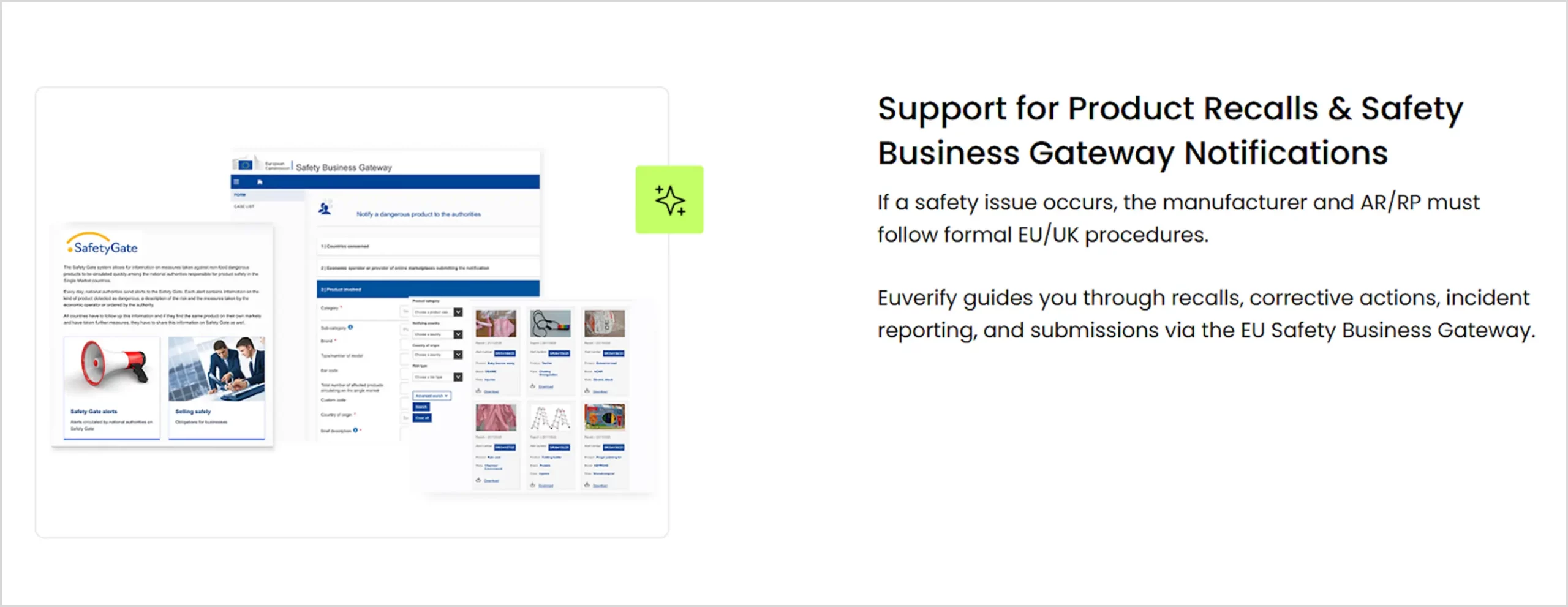
Market surveillance authorities across the European Union use a range of tools to identify products that do not meet CE marking requirements.
One of the most visible mechanisms is the Safety Gate system, also known as RAPEX. This EU-wide alert system is used to share information about dangerous products and enforcement actions, including product withdrawals.
Customs authorities also play a key role. Shipments entering the EU or EEA may be checked at the border to confirm that CE marking is present and that the required documentation can be provided before the goods are released.
In addition, national authorities regularly carry out inspection campaigns. These checks take place in physical retail locations as well as on online marketplaces, where compliance is increasingly scrutinised.
Non-compliance may also come to light through consumer complaints. When concerns are raised, authorities can launch formal investigations to assess whether the product meets legal requirements.
All of these activities are supported by national legislation that implements EU directives and regulations. If a business cannot demonstrate compliance when requested, authorities have the power to act immediately, including withdrawing products from the market or seizing them outright.
CE Marking and the UK: What Sellers Need to Know
Following Brexit, the UK has continued to recognise certain EU product compliance requirements, including CE marking, for placing products on the Great Britain market in many sectors. This approach has helped maintain flexibility for businesses that sell products in both the EU and the UK.
That said, continued recognition does not mean reduced oversight. UK authorities still actively enforce product safety and conformity rules. In Great Britain, manufacturers, importers, and other economic operators remain responsible for ensuring that compliance documentation is in place and that the CE marking, where used, is valid and properly supported.
It is also important to be aware that, where UKCA marking becomes mandatory, the underlying obligations remain largely the same. Products must still meet applicable safety requirements, and businesses must prepare and maintain the appropriate technical documentation and conformity declarations.
What Businesses Must Have Ready to Avoid Withdrawals
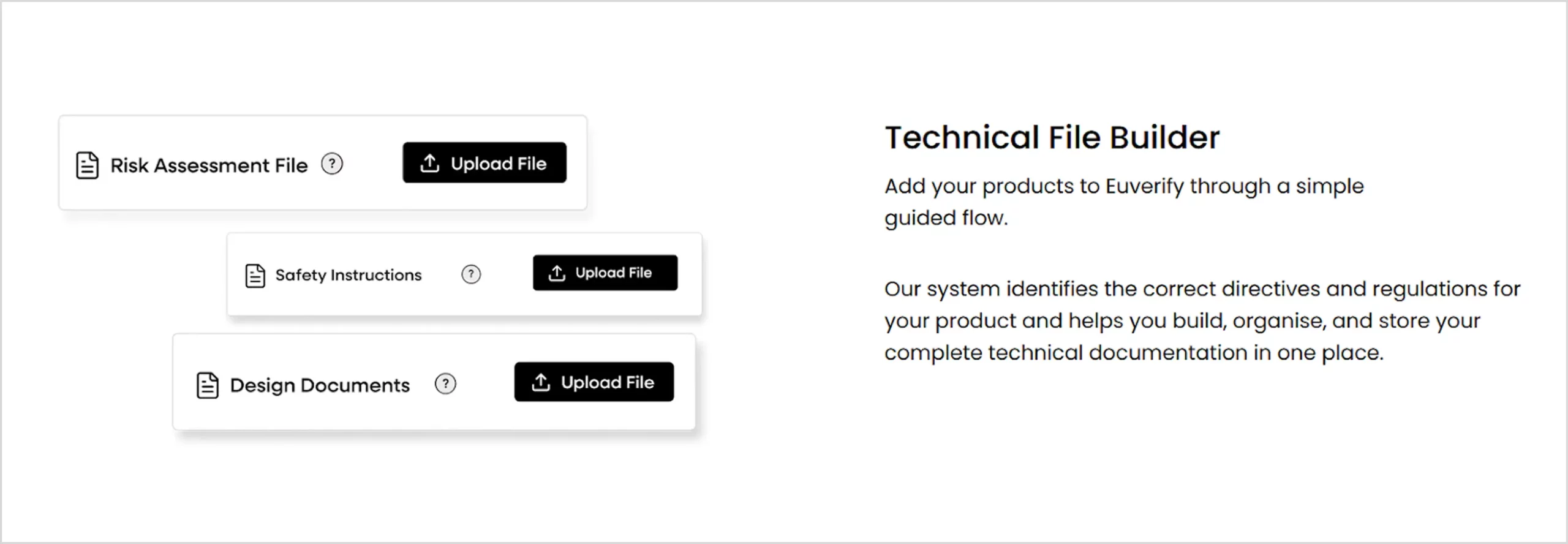
To safeguard against recalls or product withdrawals, businesses should ensure they have:
Technical Documentation / Technical File
- Product design and risk assessment
- Test reports and conformity evidence
- Instructions and labelling details
- List of harmonised standards
- Traceability information
- EU Declaration of Conformity (DoC)
This file must be prepared before placing the product on the market and kept updated.
Accurate Declaration of Conformity
- Signed by the manufacturer or EU representative
- Lists applicable directives and standards
- Includes product identification
Testing Records
- Full evidence of all applicable tests (e.g., EMC, LVD, EN 71 series)
- Reports aligned with the exact product variant
Correct Use of CE Logo
- Proper dimensions and placement
- Avoid resemblance to other symbols
Appointed Authorised Representative (if required)
- A local representative can sign documents and act as contact for authorities in the EU.
Final Takeaway
CE marking is far more than a logo. It is a formal legal declaration that a product meets essential safety and regulatory requirements. When mistakes occur in documentation, testing, or conformity declarations, authorities can act quickly. This can result in immediate product withdrawals, customs seizures, or enforcement action by market surveillance authorities.
For businesses, avoiding these outcomes depends on preparation and attention to detail. By understanding common compliance pitfalls and keeping technical documentation and conformity evidence complete and up to date, companies can reduce regulatory risk and maintain access to the EU and UK markets.
Where expert support is needed, Euverify offers specialist guidance on CE compliance, documentation reviews, and conformity assessments, helping businesses address issues before they lead to regulatory action.
Sources
- Technical documentation and DoC essentials — EU Your Europe.
- Safety Gate and recalls — EU product safety info.
- UK recognition of CE marking — GOV.UK.