Technical Documentation?
What is Technical Documentation?
Technical documentation refers to the set of records and evidence a manufacturer must compile and maintain to demonstrate that a product meets applicable EU safety and compliance requirements. Under EU product safety legislation, including Regulation (EU) 2023/988 (GPSR), technical documentation must be available to market surveillance authorities upon request and is a core element of a manufacturer’s compliance obligations.
Why It Matters
Technical documentation is the primary way a manufacturer can demonstrate that a product is safe and compliant. Without it, there is no verifiable evidence that the necessary assessments have been carried out — and authorities can treat the absence of documentation as grounds for enforcement action.
For non-EU manufacturers, technical documentation is also closely tied to the role of the EU Authorised Representative or Responsible Person, who may be required to hold or have access to this documentation on the manufacturer’s behalf. Incomplete or unavailable documentation can result in products being withdrawn from the market or subject to further investigation.
For ecommerce sellers, manufacturers, and brand owners, maintaining accurate and up-to-date technical documentation is a fundamental part of EU market access.
Key Requirements
Who Is Required to Maintain Technical Documentation?
Technical documentation requirements apply primarily to:
- Manufacturers placing consumer products on the EU market
- EU Authorised Representatives or Responsible Persons acting on behalf of non-EU manufacturers
This requirement applies under:
- Regulation (EU) 2023/988 – General Product Safety Regulation (GPSR)
- Regulation (EU) 2017/745 – EU Medical Device Regulation (MDR)
- Other CE marking directives and sector-specific EU regulations
The specific content and format of technical documentation varies depending on the applicable regulation and product category.
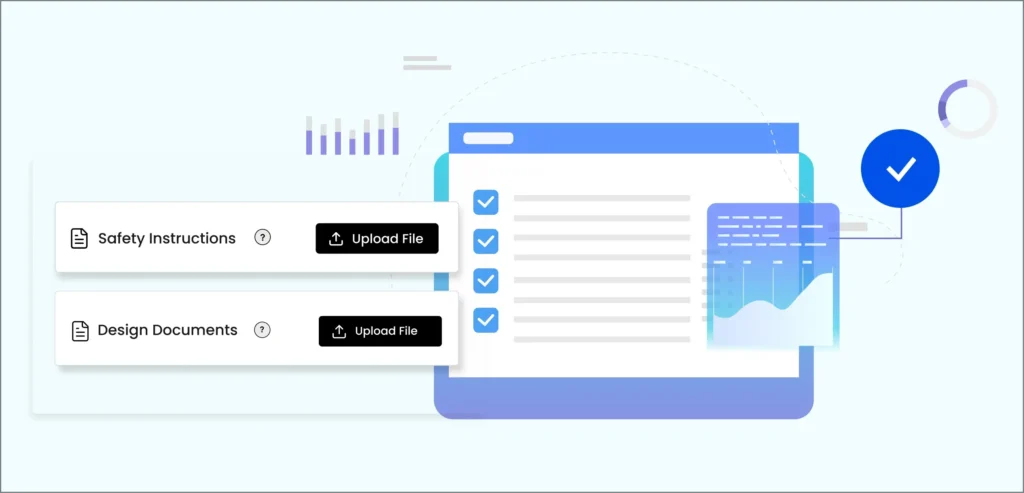
While requirements vary by regulation, technical documentation commonly consists of:
- A general description of the product and its intended use
- Risk assessments identifying potential hazards and how they are addressed
- Test reports or results from laboratory or safety testing
- Information on the design, manufacturing process, and materials used
- Details of applicable standards or regulations the product complies with
- Instructions for use, warnings, and labelling information
- Any certificates or declarations of conformity
Technical Documentation and the Authorised Representative
Under the GPSR and other EU regulations, the EU Authorised Representative or Responsible Person is often required to hold or have access to the manufacturer’s technical documentation. This ensures that authorities can obtain the necessary records through an EU-based contact, even where the manufacturer is located outside the EU.
The documentation must be kept up to date and retained for a specified period — typically ten years from the date the product was last placed on the market, though this varies by regulation.

Need GPSR compliance support?
Euverify provides EU Authorised Representative and Responsible Person services for manufacturers and ecommerce sellers placing products on the EU market. Our team supports documentation review, regulatory communication, and ongoing compliance management.

Further Reading