Traceability (Supply Chain)
What is Traceability (Supply Chain)?
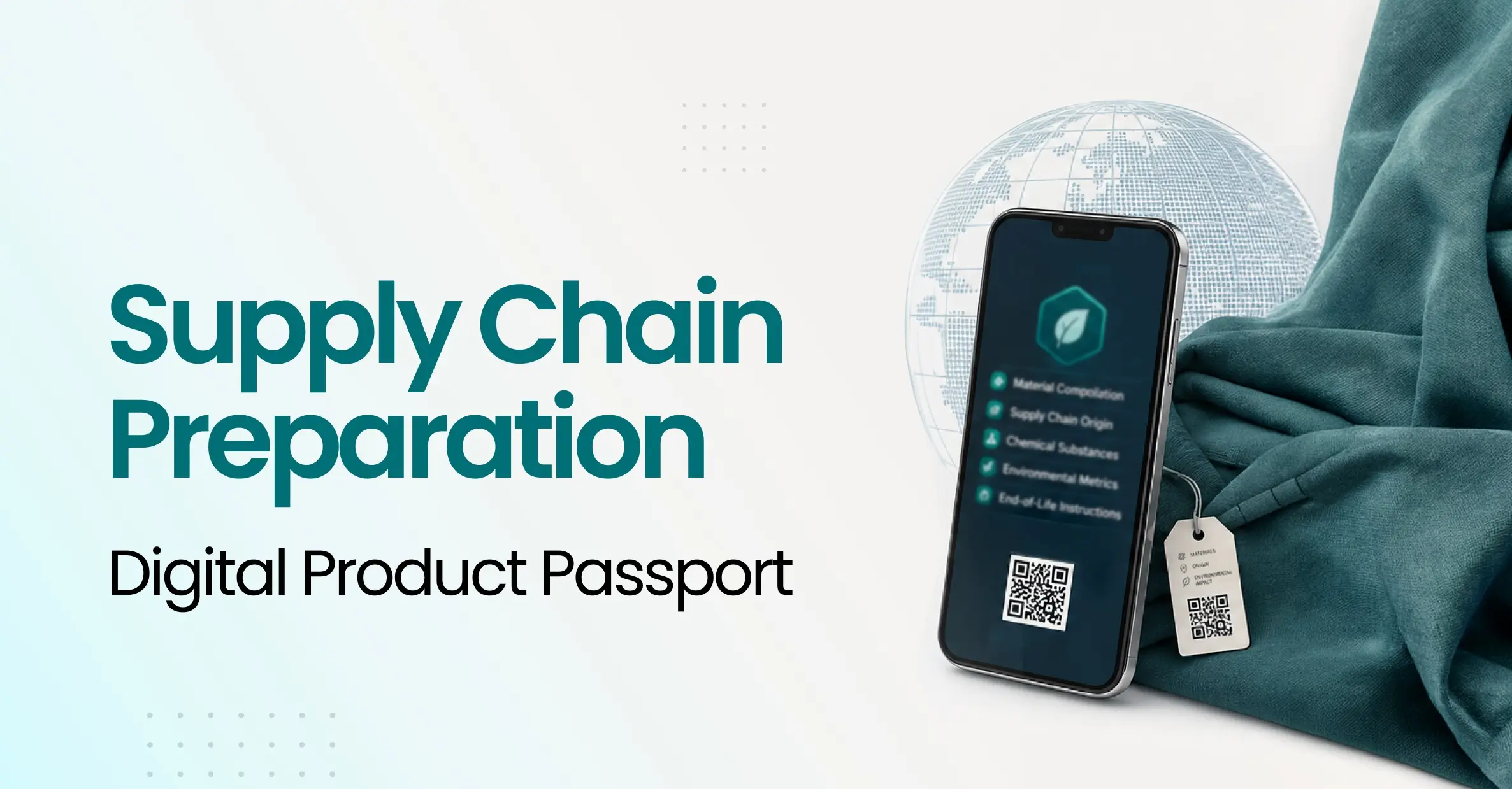
Traceability refers to the ability to identify and track a product and its associated information throughout the supply chain — from manufacture through to the end consumer. Under EU product safety legislation, including Regulation (EU) 2023/988 (GPSR), manufacturers and other economic operators are required to ensure their products can be identified and traced at every stage of the supply chain.
Why It Matters
Traceability is a fundamental element of product safety compliance. When a safety issue is identified, authorities and economic operators need to be able to quickly determine which products are affected, where they are in the supply chain, and how to reach the consumers who may have purchased them.
Without adequate traceability, recalls and withdrawals become significantly more difficult to carry out effectively, increasing the risk of harm to consumers and the potential liability for businesses involved. Market surveillance authorities may also treat poor traceability as evidence of broader non-compliance.
For ecommerce sellers, manufacturers, and brand owners, building traceability into your supply chain is not only a legal requirement under the GPSR but a practical safeguard for your business.
Key Requirements
Who Is Required to Ensure Traceability?
Traceability obligations apply across the supply chain, including:
- Manufacturers producing and placing products on the EU market
- Importers bringing products from third countries into the EU
- Distributors making products available to consumers or other businesses
- Online marketplace operators facilitating the sale of products to EU consumers
This requirement applies under:
Regulation (EU) 2023/988 – General Product Safety Regulation (GPSR)
Regulation (EU) 2017/745 – EU Medical Device Regulation (MDR)
Other CE marking directives and sector-specific EU regulations
Responsibilities Relating to Traceability
While specific obligations vary by role and regulation, traceability responsibilities commonly include:
- Marking products with a type, batch, serial number, or other identifier that allows them to be traced
- Displaying the manufacturer’s name, trademark, and contact details on the product or its packaging
- Keeping records of other economic operators in the supply chain for a specified period
- Making traceability information available to market surveillance authorities upon request
- Ensuring traceability systems are sufficient to support a product recall or withdrawal if required
Traceability and Product Recalls
Traceability and product recalls are closely linked. Effective traceability systems make it possible to identify exactly which batch or production run is affected by a safety issue, limiting the scope of a recall and reducing disruption. Poor traceability can result in broader, more costly recalls and greater difficulty notifying affected consumers.
Under the GPSR, the ability to trace a product back through the supply chain is an expectation built into the regulation’s corrective action framework.

Need GPSR compliance support?
Euverify provides EU Authorised Representative services for manufacturers and ecommerce sellers placing products on the EU market. Our team supports documentation review, regulatory communication, and ongoing compliance management.

Further Reading