Textile Safety and Compliance for Fibres and Apparel in the EU & UK
Textile products sold in the EU and UK have to meet strict safety standards to protect consumers. This is especially important given the wide range of fabrics used, including natural, synthetic, and regenerated fibres, as well as the many types of clothing such as everyday fashion, children’s wear, work uniforms, and protective gear.
In this article, we break down how the key textile safety regulations vary across different fabrics and garment types and what recent changes mean for brands and manufacturers. We cover essential topics like chemical safety, allergy risks, flammability, labelling rules, and the environmental impact of materials. You’ll also find guidance on major standards such as REACH, OEKO-TEX®, EN ISO, and flammability regulations.
Fibre Types and Textile Safety Considerations
Different fibre types, including natural, synthetic, and regenerated, involve distinct chemical, physical, flammability, and allergen textile safety considerations. Overarching regulations such as REACH apply to all, but specific risks vary depending on fibre origin and processing.
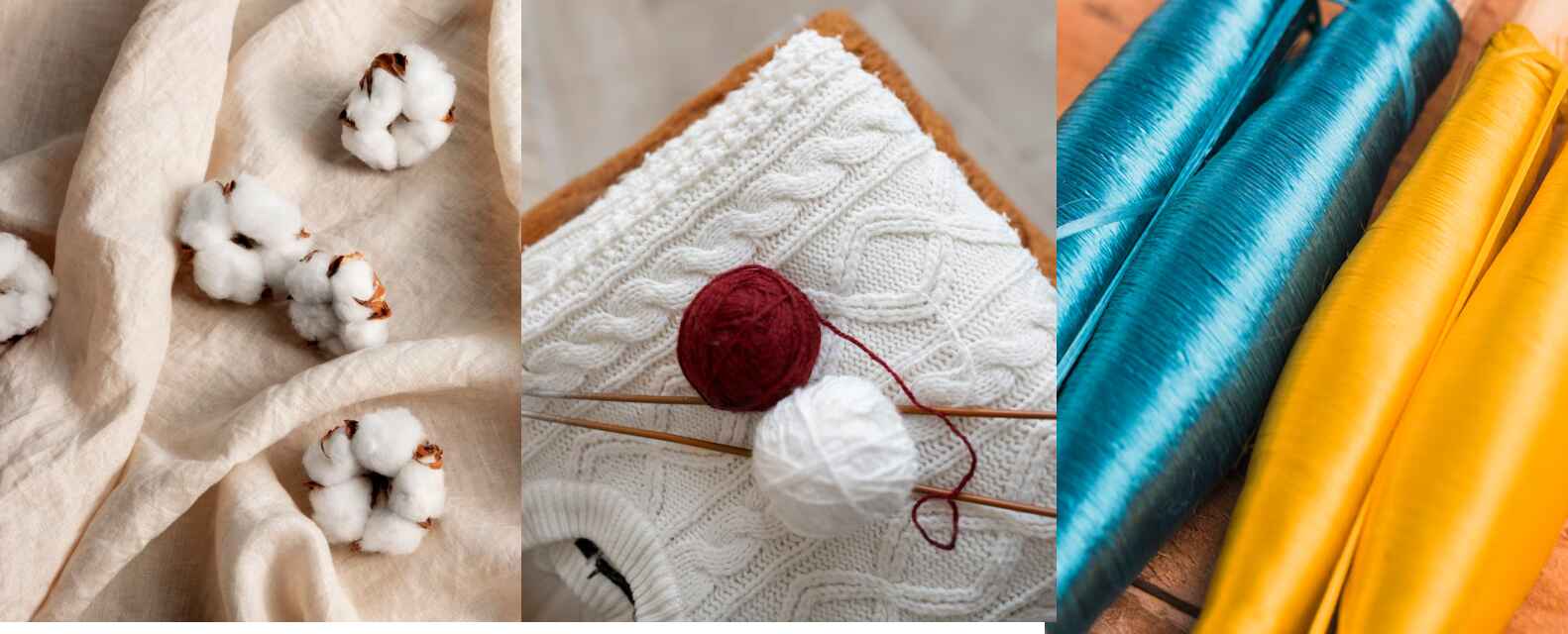
Natural Fibres (Cotton, Wool, Silk, etc.)
Chemical Risks
- Pesticide residues: Natural fibres like cotton are often grown using pesticides such as organochlorines, which can leave traces behind in the finished fabric. These residues are regulated under the EU’s REACH Regulation (EC) No 1907/2006, which restricts substances of very high concern (SVHCs). To keep products safe, cotton must stay within strict limits on leftover pesticide levels.
- Formaldehyde use: Formaldehyde is often used to make natural fibres more wrinkle-resistant. But because it can cause skin irritation and breathing problems, REACH Entry 72 sets limits on how much can be present in finished textiles, especially in clothes that stay in close contact with the skin. Many brands go further by following voluntary certifications like OEKO-TEX® Standard 100, which set even stricter limits than the legal ones.
- Processing chemicals: Natural fibres go through several treatments such as bleaching, dyeing and finishing. To stay compliant, manufacturers need to keep track of all the extra chemicals used during production such as surfactants, mordants and wetting agents, as many of these are closely regulated under REACH.
Allergens
- Lanolin: Found in wool, lanolin is a natural wax that can cause allergic reactions in some people. Although it is not banned, it should be clearly declared to keep things transparent.
- Latex: Commonly used in elastic waistbands or cuffs, latex can cause strong allergic reactions. It is important to label products clearly when latex is in direct contact with the skin.
- Animal derived materials: Under EU Regulation 1007/2011 on textile fibre names and labelling, any components from animals, such as fur, leather patches, or silk, must be clearly stated on the product label to help consumers make informed choices and address ethical or religious concerns.
Flammability
- Cotton: Cotton is naturally flammable and can catch fire easily if not treated. In the UK, the Nightwear (Safety) Regulations 1985 require that children’s nightwear must either meet specific flammability standards or display a clear warning label if untreated.
- Wool: Wool is naturally more resistant to fire than cotton, but it still needs to undergo flammability testing according to harmonised EU standards such as EN 14878 for children’s nightwear.
- Treatment Disclosure: If flame retardants such as brominated compounds are used, they may be subject to REACH restrictions and must be clearly disclosed depending on the product type and national regulations.
Mechanical Risks
- Irritation Potential: Coarse or unrefined fibres, like certain types of wool, can irritate sensitive skin. This is especially important to consider for children’s clothing and undergarments.
- Design Safety: Compliance isn’t just about chemicals. Physical design is important too. Garments should be made without harsh seams, sticking-out labels, or rough stitching in areas that rub a lot, like underarms and inner thighs. This is especially important for baby clothes or items for people with sensitive skin.
- Durability versus Comfort: Some stiff weaves may last longer but can feel uncomfortable and less safe if not finished properly. Picking the right fibres and designing garments thoughtfully helps reduce irritation while keeping the clothing practical.
Synthetic Fibres (Polyester, Nylon, Acrylic, etc.)

Chemical Risks
- Residual Substances: The manufacturing of synthetic fibres can leave behind harmful residues, such as antimony trioxide (used in polyester production) or acrylonitrile (used in acrylics). These substances are regulated under REACH because of their potential health risks.
- Disperse Dyes: These dyes are often used to colour synthetic fibres, but some are known to cause skin irritation or allergic reactions. A number of them are classified as carcinogens or skin sensitisers and are restricted in Europe.
- PFAS and Flame Retardants: Synthetic fabrics are often treated with coatings to make them water, stain, or fire resistant. However, many PFAS (per- and polyfluoroalkyl substances) are banned or under review in the EU and UK because of their environmental impact and health risks. Some halogenated flame retardants face similar restrictions.
Allergens
- Disperse Dyes: These dyes are a common cause of allergic contact dermatitis from clothing. They bind well to synthetic fibres but can leach out with sweat or friction, triggering reactions in people with sensitive skin.
Flammability
- Melting Hazard: Unlike natural fibres that burn, synthetic materials such as polyester and nylon can melt and stick to the skin, leading to serious burns. This makes flammability and melt behaviour testing especially important for items like PPE, children’s nightwear, and workwear.
- Regulations: Products need to meet EN ISO 14116, EN 14878, or flammability requirements specific to the UK, depending on the type of garment and the market it is being sold in.
Mechanical Risks
- Microplastic Shedding: Synthetic clothing can release microplastics during use and washing, which raises environmental and possible health concerns. Manufacturers are encouraged to choose low-shedding yarns and use tighter weaves to help minimise this issue.
- Yarn and Fabric Quality: Low-quality synthetic fabrics can break down quickly, causing tears, fibre splinters, or discomfort. Using well-spun yarns and proper finishing techniques helps improve durability and ensures the clothing is safe and comfortable to wear.
Regenerated Fibres (Viscose, Modal, Lyocell, Bamboo Viscose)

Chemical Risks
- Production Chemicals: Regenerated fibres like viscose and modal come from natural cellulose but are processed using chemicals such as carbon disulfide, which is toxic and tightly regulated to protect workers and the environment. Lyocell is made using a safer, closed-loop system with NMMO solvent. Regardless of the method, the final fibre must be free from harmful residues to comply with REACH safety standards.
- Formaldehyde in Finishing: Formaldehyde is sometimes used to improve crease resistance or fabric durability. However, its use is restricted under REACH Entry 72, especially for clothing worn close to the skin or designed for children, due to its potential health risks.
Labelling Accuracy
- Bamboo Viscose: Although it is made from bamboo pulp, the intense chemical processing means it cannot be sold as “natural bamboo.” EU Regulation 1007/2011 requires it to be labelled as “viscose from bamboo” or “bamboo viscose” to prevent misleading consumers.
Allergens
- Sulfur Compounds: Viscose production can leave behind sulfur-containing residues, like traces of hydrogen sulfide, which might irritate the skin or respiratory system in sensitive people. Although these levels are usually low in finished products, it is important to meet chemical safety standards.
Flammability and Mechanical Risks
- Burn Behaviour: Regenerated fibres behave much like cotton and are flammable unless treated. For items such as children’s nightwear, they must meet the relevant UK and EU flammability standards, like EN 14878.
- Shrinkage and Finish: These fibres can shrink or develop pills if they are not properly finished. Careful pre-treatment and surface treatments are important to ensure the fabric keeps its shape and remains comfortable to wear.
General Residue Control
Substance Testing (All Fibre Types)
Manufacturers must make sure textiles do not contain harmful chemical residues that could affect health or the environment. Key substances that need testing include:
Chlorinated phenols: These are used in preservatives or anti-mould treatments but are banned or restricted under REACH because of their toxicity.
Heavy metals: Metals like lead, cadmium, and chromium (VI), which are often found in dyes or pigments, are strictly controlled under REACH and must be reduced or eliminated.
Organotins: These antimicrobial agents are sometimes used in synthetic materials. They are classified as reproductive toxins and must be avoided or kept within safe limits.
Formaldehyde: Used in wrinkle-free and easy-care finishes, its levels are limited by REACH, especially in children’s clothing and garments that touch the skin directly.
Nickel Release (Accessories)
- Nickel is a common allergen. EU regulations (REACH Annex XVII) limit the amount of nickel that metal parts like buttons, zippers, and snaps can release when they come into direct and prolonged contact with the skin.
Skin Compatibility – pH and Irritants
- pH Neutrality: Textiles should have a pH level close to neutral, typically between 4.0 and 7.5, to help prevent skin irritation. This is tested according to the EN ISO 13688 standard, which mainly covers protective clothing but is also widely used to assess comfort.
- Allergen Management: Allergen management is important because dyes like disperse dyes and some finishing agents can cause contact dermatitis. Brands need to test for residues and actively work to identify and reduce these irritants.
Regulatory and Labelling Duties
- Compliance now requires proactive chemical testing, not just checking after production. Products that contain known allergens or irritants must have clear labels as the law requires to protect vulnerable consumers.
Textile Safety Regulations by Clothing Category
Adult Fashion Apparel
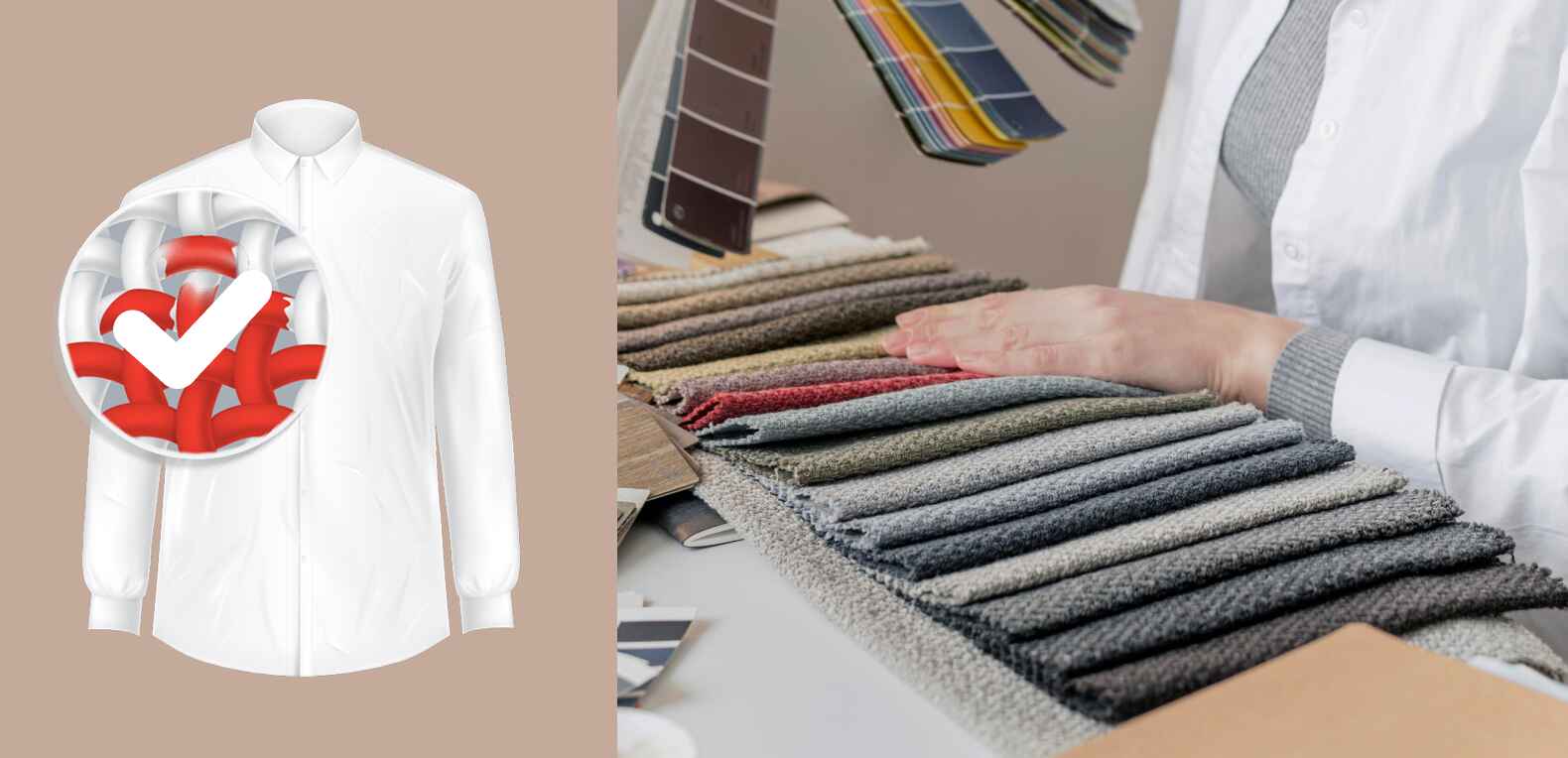
Adult clothing must meet basic chemical safety standards, such as REACH limits on harmful substances like carcinogens, irritants, and unsafe dyes. Since adults usually have less sensitive skin and don’t tend to chew on their clothes like children do, the main concern is more about long-term risks like toxicity or cancer rather than immediate hazards. Simply put, adult garments need to be free from restricted chemicals and safe to wear next to the skin.
To stay compliant, manufacturers follow a Restricted Substances List and test fabrics for banned dyes, formaldehyde, heavy metals, and solvent residues. Still, even big brands have faced recalls when textile safety standards weren’t met. For instance, when dyes bled and caused rashes or when banned colourants released toxic compounds.
Under REACH, it’s the responsibility of EU retailers and importers to ensure that their clothes don’t exceed legal limits for harmful substances. This also applies to second-hand or vintage items, since older materials treated with things like mercury dyes or PVC prints containing phthalates can still pose risks if resold.
Flammability is another important factor. While the EU doesn’t have a general flammability rule for adult clothing, items made from highly flammable fabrics can be taken off the market under general safety laws. In the UK, adult nightwear that doesn’t meet the BS 5722 flame-spread standard must at least carry a “Keep Away from Fire” label.
Children’s Garments and Baby Clothing

Kids’ clothing, especially for babies, faces much stricter textile safety rules than adult wear. This is because children have more sensitive skin, developing immune systems, and are more likely to put clothing in their mouths.
Stricter Chemical Limits:
Harmful substances like formaldehyde, heavy metals, and certain dyes are either banned or only allowed in tiny amounts. For example, baby clothes are expected to have almost no detectable formaldehyde, and phthalates, plasticisers that used to be mostly restricted in toys, are now also limited in children’s textiles under REACH. Some disperse dyes that can cause skin reactions are completely avoided in kids’ clothing. Many brands choose to follow the strictest standards, like OEKO-TEX® Class I, to make sure their products are safe.
Allergenic Metals & Decorations:
Regulations limit allergens like nickel in snaps and buttons, and also restrict lead and other toxic metals in decorative parts. Some products, such as fancy dress costumes for toddlers, may be considered toys and so must meet toy safety laws, including tests for flammability and heavy metals.
Flammability of Nightwear:
Children’s sleepwear has to meet strict flammability standards, especially in the UK where the BS 5722 test is required for many garments. If the clothes don’t pass, they must have a “KEEP AWAY FROM FIRE” label, while flame-resistant ones carry a “LOW FLAMMABILITY TO BS 5722” mark. The EU also has a recommended flammability standard called EN 14878, but it’s not mandatory.
Beyond Chemicals:
Physical textile safety is just as important. Children’s clothes shouldn’t have small parts that could be a choking hazard or drawstrings that might cause entrapment. Overall, kids’ garments are expected to use the softest, gentlest materials and finishes. Many brands choose organic cotton, avoid unnecessary treatments, and rely on certifications like GOTS or OEKO-TEX® to show their products are safe for children.
Occupational Clothing and PPE
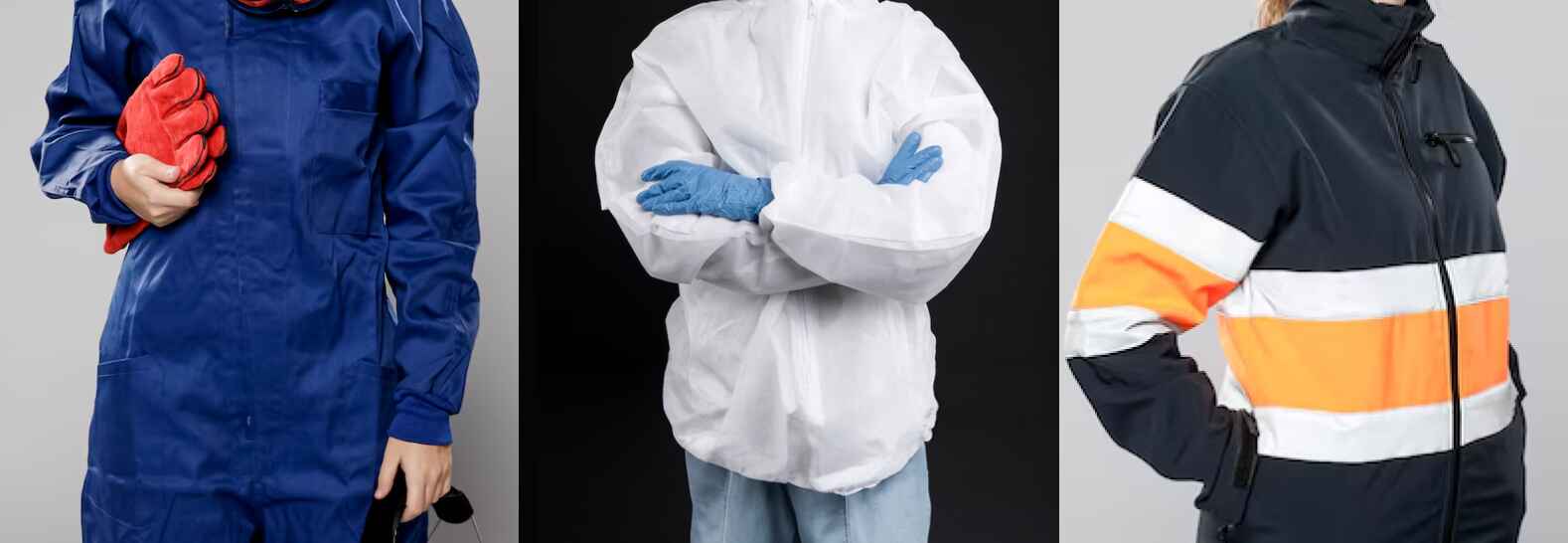
Workwear like high visibility vests, lab coats, firefighting gear, and protective gloves often use chemical treatments for safety, such as flame resistance or waterproofing. Even with these added features, the clothing must remain safe and comfortable for the wearer.
Health & Safety Requirements:
EU and UK PPE regulations require that any material in contact with the skin must not harm the user. This means fabrics and finishes cannot contain toxic or sensitising substances. Standards such as EN ISO 13688 ensure materials are tested for neutral pH, banned azo dyes, chromium VI, and nickel release from metal components. Boots, gloves, and rubber parts are also checked for substances like PAHs and solvent residues to prevent hidden chemical risks.
Flame-Resistant Workwear:
Some fabrics, like aramid fibres, are naturally flame resistant, while others are treated with safer flame retardant chemicals. Older toxic options such as TRIS and PBB are banned. Treated garments must include washing instructions to keep their effectiveness, and employers must ensure their PPE is CE or UKCA certified, including compliance with chemical safety standards.
High-Visibility and Weather Gear:
Bright workwear and raincoats must meet chemical safety rules as well. Fluorescent dyes cannot contain heavy metals such as cadmium, and reflective or PVC parts should be free from phthalates and organotins. Standards like EN ISO 20471 focus on visibility but also require materials to be safe and colourfast. With PFAS restrictions becoming stricter, many companies are moving away from using these finishes in waterproof clothing.
Chemical Protective Clothing:
Garments designed to protect against acids, oils, or industrial chemicals must meet strict chemical standards. For example, chemical-resistant gloves cannot contain banned phthalates like DEHP. Even if some older standards have yet to catch up with recent REACH updates, testing laboratories such as SATRA already carry out compliance tests on PPE.
Labels and Warnings:
PPE must include clear instructions and warnings. If a garment contains latex, which is a known allergen, or biocidal treatments such as those used for odor control, this information must be clearly stated on the label. These details help users understand how to care for the equipment and what substances they might be exposed to.
Recent Regulatory Developments in EU/UK Textile Safety

Textile compliance rules in the EU and UK are constantly evolving to reflect new science and public health priorities. Key recent trends include:
Expanding Restricted Substances: Since the EU introduced Entry 72 restrictions in 2020, more chemicals are under review. These include skin sensitisers such as certain disperse dyes and preservatives. The list of substances of very high concern (SVHC) continues to grow, so brands should monitor updates to REACH Annex XVII and the SVHC Candidate List.
PFAS and Green Chemistry: The EU is moving toward banning most PFAS chemicals, which are often used for water and stain resistance in textiles. Safer, environmentally friendly alternatives such as plant-based repellents and non-halogenated flame retardants are becoming more popular and align with upcoming eco-design requirements.
UK Regulatory Divergence: Since Brexit, the UK is starting to move away from EU chemical rules, aiming to simplify requirements but possibly delaying hazard updates. For now, rules remain similar, but companies trading in both regions should follow the stricter standards. The UK still uses EU-style fibre labels, and UKCA marking will soon replace CE for PPE.
Sustainability and Chemical Safety: The EU wants textiles to be safer and more transparent. Future rules could require Digital Product Passports that show what chemicals are in each item. There may also be new limits on microplastic shedding, encouraging cleaner manufacturing and safer materials.
Harmonising Standards: OEKO-TEX® and European EN standards are often updated to stay ahead of legal changes. The EU is also working to align chemical bans across areas like toys, PPE, and consumer goods to close any gaps. It’s important for compliance teams to keep up with official updates to stay on track with evolving textile safety rules.

Conclusion
Textile compliance in the EU and UK covers a wide range of areas, including chemical safety, physical design, labeling, allergen control, flammability, and environmental impact. Failure to meet these requirements can result in serious consequences, including product withdrawals or a clothing ban, emphasising the need for thorough safety assessments and regulatory compliance.
Whether it’s soft cotton babywear or high-tech protective gear, manufacturers must ensure their materials are safe for real-world use. By aligning with regulations like REACH and adhering to standards such as OEKO-TEX®, EN ISO, and UK flammability laws, the textile industry can protect public health while building sustainability and consumer trust.
Contact us to ensure your textiles meet today’s safety standards and tomorrow’s expectations.