
Why Shoes Get Banned: Common EU Footwear Compliance Pitfalls
When it comes to selling shoes and footwear in the European Union, EU footwear compliance is not optional. It’s a necessity. The EU has stringent product safety regulations that all consumer goods, including footwear, must meet. Failure to comply with these regulations can lead to significant consequences, including bans on selling your products in the EU market. This blog will highlight common EU footwear compliance pitfalls (with real-life examples) that footwear manufacturers, importers, and retailers should avoid to ensure their products don’t end up being banned in the EU.
The Importance of Compliance in the EU Footwear Market
The EU is one of the largest footwear markets in the world, with millions of pairs of shoes sold every year. The region’s strict safety regulations ensure that products on the market are safe for consumers. The General Product Safety Regulation (GPSR) 2023/988 and other associated regulations, like REACH (Registration, Evaluation, Authorisation, and Restriction of Chemicals), are key pillars of EU footwear compliance. These laws are designed to protect consumers from unsafe products, including footwear.
Non-compliance with these regulations can lead to serious consequences for businesses, such as product recalls, fines, or even a ban on selling the shoes in the EU. Understanding the key regulations and common EU footwear compliance pitfalls can help you avoid these costly mistakes.
Common Reasons Shoes Are Banned in the EU
1. Use of Hazardous Chemicals
One of the most common reasons footwear products are banned or recalled in the EU is due to the use of hazardous chemicals. The REACH Regulation is a key piece of legislation that governs the use of chemicals in products sold in the EU, including footwear. REACH requires manufacturers and importers to ensure that no harmful substances are present in their products above the permitted thresholds. This is a critical aspect of EU footwear compliance.
For footwear, chemicals like phthalates, chromium VI, and azo dyes are of particular concern. These substances can pose significant health risks, including skin irritation, allergies, and even cancer. For instance, chromium VI is commonly used in leather tanning, but if not properly managed, it can be a carcinogen. Shoes that exceed the legal limits for chemicals can be banned from the market, and businesses can face fines or damage to their reputation.
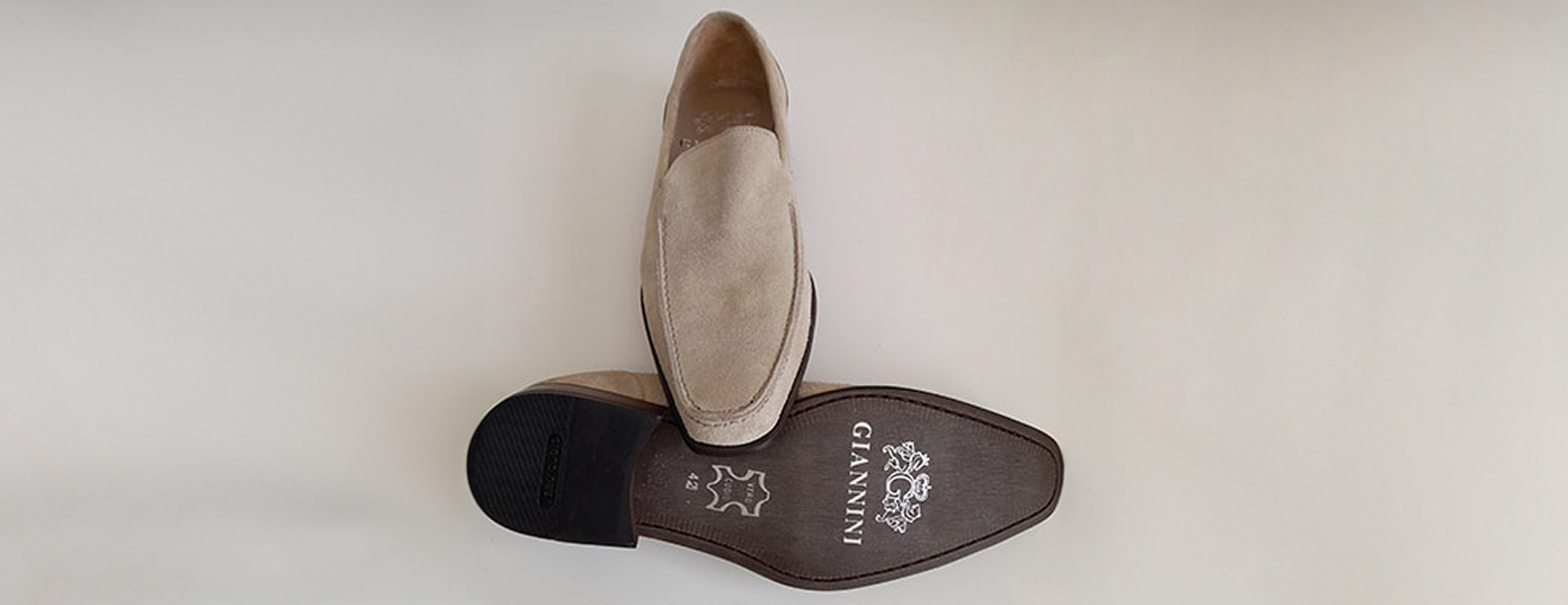
Example: On 01/09/2023, Cyprus reported a case involving “Giannini shoes,” a pair of leather shoes found to contain up to 25.5 mg/kg of chromium VI. This substance can cause allergic reactions and is classified as a carcinogen. The product, with an unknown country of origin, failed to meet REACH Regulation requirements. Authorities ordered the shoes to be withdrawn from the market on 07/07/2023.
To avoid this issue:
- Always source materials that comply with REACH standards.
- Work closely with suppliers to ensure that chemical testing is performed and that results are documented.
- Familiarise yourself with European Commission guidelines on restricted chemicals and ensure your products are within legal limits.
2. Unsafe Materials or Design Flaws
Another common reason for footwear being banned is unsafe materials or design flaws that could pose a risk to consumers. The GPSR requires that all consumer products, including shoes, must be designed and manufactured to avoid any health or safety risks. This is another vital aspect of EU footwear compliance.
For instance, a design flaw might lead to a shoe’s heel breaking off easily, causing a fall or injury. Alternatively, poorly constructed footwear with substandard adhesives or stitching can lead to the shoe falling apart while being worn, leading to potential harm to the wearer.
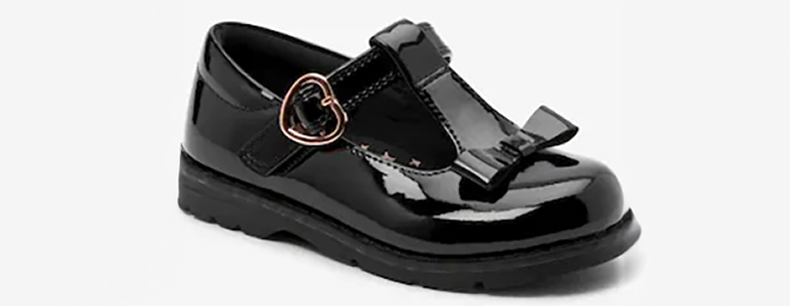
Example: On 10/05/2023, Ireland reported a safety issue involving children’s black shoes sold online under the brand Next. The product, called “Infant T-Bar patent PU bow shoe,” featured Velcro straps that could fail, causing the strap to come loose and posing a tripping hazard. Originating from China, the shoes did not comply with the General Product Safety Directive. As a result, the importer recalled the shoes from end users.
To avoid being banned, ensure that:
- All materials used in the shoe construction are durable and meet EU safety standards.
- Shoes undergo extensive safety testing, particularly when it comes to mechanical strength, and adhesion (soles and upper parts).
- You follow established European safety standards for testing the performance of the footwear, such as EN ISO 20345 for safety boots or EN 13287 for slip-resistant shoes.
3. Incorrect or Incomplete Labelling
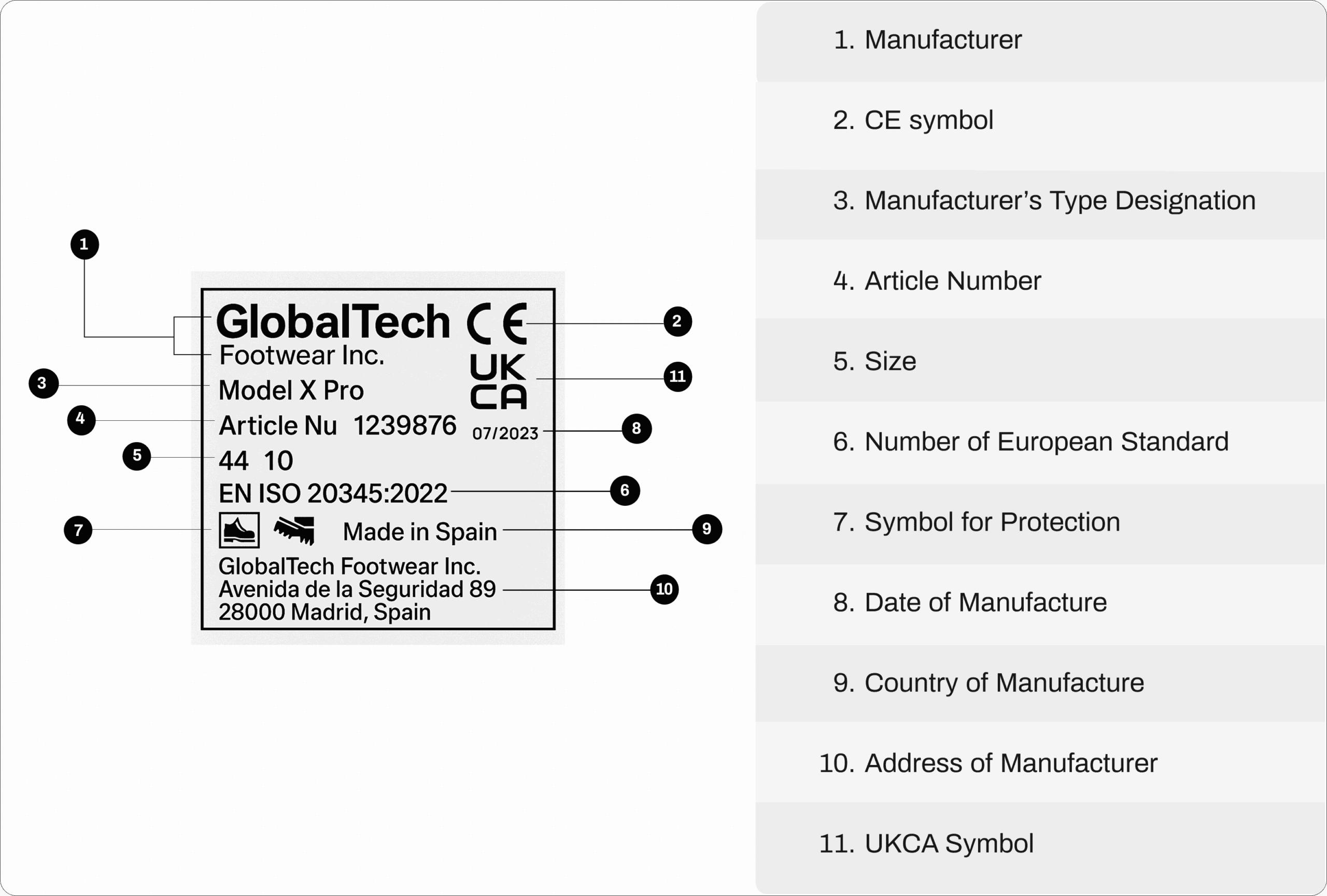
Labelling is one of the most critical aspects of EU footwear compliance. The GPSR mandates that footwear manufacturers provide clear and accurate labelling of products to ensure consumers are fully informed about what they are purchasing. This includes details like the material composition of the shoe, the manufacturer’s contact information, and any warning labels about potential risks (such as choking hazards in children’s shoes).
Failure to label products correctly can lead to regulatory action. Shoes that do not have the correct CE marking (where required), manufacturer details, or material information are at risk of being banned from the market. For example, children’s footwear often has to be labelled with additional warnings about small parts, while work shoes or safety boots need to indicate their compliance with safety standards. This all falls under the scope of EU footwear compliance.
To avoid being banned for incorrect labelling:
- Make sure your product labelling complies with EU regulations for consumer goods.
- If you are selling children’s footwear, ensure that age-appropriate warnings and small part hazards are clearly indicated.
- Verify that all shoes meet CE marking requirements if they fall under specific safety categories like protective footwear.
- If you are selling in Great Britain (England, Scotland, and Wales), ensure that your product is UKCA marked in addition to, or instead of, the CE mark. This is required post-Brexit for products placed on the UK market.
Example of correct labelling for shoes
4. Failure to Provide Required Documentation
Another significant pitfall that can lead to the banning of shoes in the EU is the failure to provide required documentation that proves your product meets the necessary regulatory standards. This is an often-overlooked component of EU footwear compliance. The technical file for shoes is a crucial document that footwear manufacturers must maintain to show compliance with the EU’s product safety regulations. This file typically includes:
- Risk assessment reports.
- Test results for safety and chemical compliance.
- Material safety data sheets.
- Production and quality control records.
- The EU declaration of conformity, which certifies that the product complies with all applicable EU directives and standards.
If you cannot produce the required documentation upon request, regulatory authorities may assume that the product does not meet the required standards, which can lead to a product ban or recall.
To avoid issues:
- Maintain a comprehensive technical file for each product you manufacture, ensuring it includes all required safety tests and certificates.
- Make sure that all compliance documentation is easily accessible to authorities when requested.
- Regularly update the documentation if any changes are made to the product or its materials to maintain up-to-date EU footwear compliance.
5. Non-Compliance with EU-Specific Footwear Regulations (PPE)
Certain types of footwear, such as work boots or safety shoes, are regulated under specific EU regulations due to their protective functions. These products must comply with the Personal Protective Equipment (PPE) Regulation (EU) 2016/425, which sets out strict requirements for safety footwear used in hazardous environments. If safety footwear doesn’t meet the necessary protective standards, it can be banned from the market. This is a critical area of EU footwear compliance.
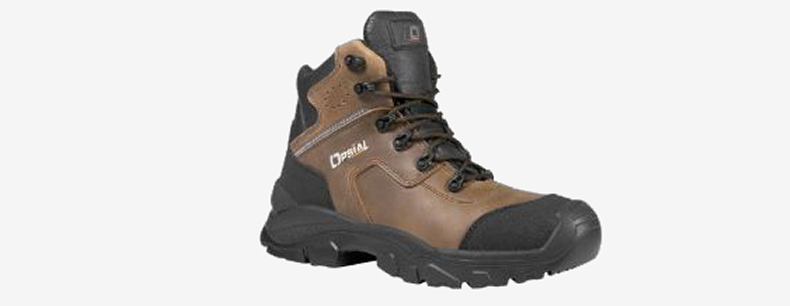
Example: On 29/11/2022, France issued a recall for OPSIAL-branded safety boots. These brown, full-grain leather boots, designed for outdoor construction work, were found not to provide adequate protection against impact or compression. Manufactured in Italy, they failed to meet the EU’s Personal Protective Equipment Directive (PPE) and EN ISO 20345 standard. As a result, the manufacturer recalled the product from end users.
To avoid non-compliance in this area:
- Ensure that safety footwear meets the relevant PPE standards, such as EN ISO 20345.
- Make sure your product has the appropriate CE marking, indicating that it meets the required safety standards for PPE.
Always have test certificates that demonstrate your footwear can withstand the required mechanical stresses. These steps are essential for achieving full EU footwear compliance.
How to Avoid Compliance Pitfalls and Ensure Your Footwear Meets EU Standards
To prevent your footwear from being banned or recalled in the EU, follow these best practices:
- Stay Up-to-Date on Regulations: EU regulations can change, and it’s important to keep track of new legislation, amendments, and guidance documents. Regularly review the EU Official Journal and other resources to stay informed.
- Work with Compliance Experts: Consider hiring regulatory compliance experts or consultants who specialize in EU footwear compliance. They can help guide you through the complexities of EU regulations and ensure that your products are in full compliance.
- Conduct Regular Audits: Make compliance part of your quality management system. Perform internal audits of your products and processes to identify potential issues before they become major problems. This includes testing materials, reviewing labelling, and ensuring proper documentation is in place.
- Use Accredited Testing Labs: Ensure that all safety tests are conducted in accredited testing laboratories that follow EU standards. This can help you avoid future issues and ensure that your products meet the required safety benchmarks.
- Prepare for Inspections: EU authorities can conduct market surveillance at any time, so be prepared to provide documentation and evidence of compliance upon request. Having an organised system in place for your product files and records will make these inspections much smoother and support your ongoing EU footwear compliance.
Technical Files Checklist & Risk Assessment Template
Shoes & Footwear
- Ensure Compliance
- Reduce Risk
- Streamline Documentation
- Supports market access
Get it now for just £40!

Conclusion
Staying compliant with EU regulations is essential for footwear manufacturers and sellers who want to avoid costly recalls, penalties, or damaged reputation. Meeting the requirements of the GPSR, REACH, PPE regulations, and other laws not only protects your brand but also ensures your products stay on the market.
By tackling common issues like hazardous chemicals, unsafe design, incorrect labelling, and missing documentation, you can build trust with consumers and keep your business running smoothly. EU footwear compliance is not just a legal requirement; it’s a cornerstone of product quality and customer safety.
That’s where Euverify comes in. We help footwear brands spot risks early, close compliance gaps, and stay in line with every EU requirement, whether it’s chemical safety, labelling, or technical files. Let’s make sure your shoes stay where they belong: on shelves, in carts, and on feet. And fully aligned with EU footwear compliance standards.
Appoint Your EU Representative & Ensure Compliance for Your Shoes & Footwear
- Stay compliant with EU regulations
- Hassle-free representation for Shoes & Footwear